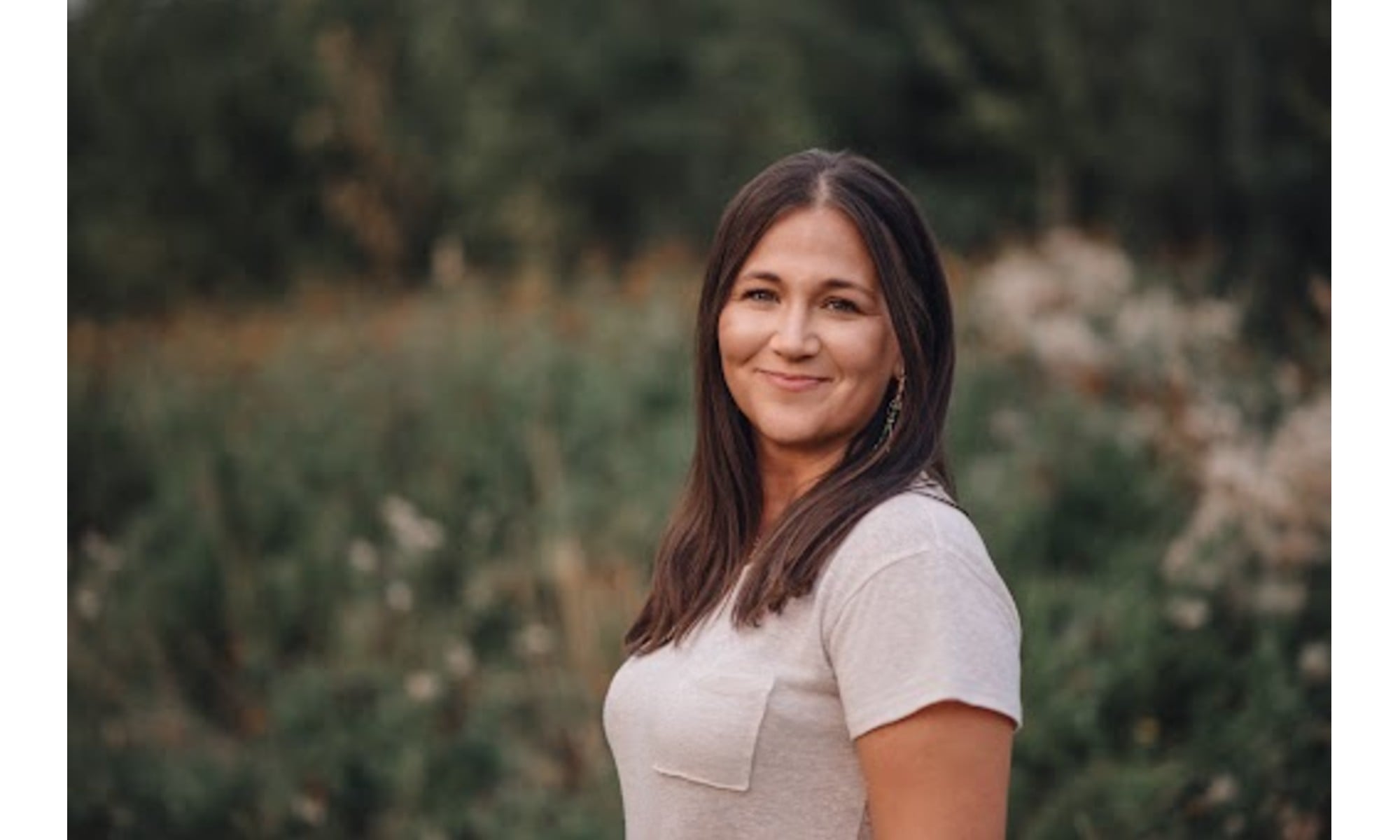
Shani Gwin
Shani Gwin is optimistic that a new AI tool under development will help people maintain and strengthen their relationships.
The tool, wâsikan kisewâtisiwin, which means kind electricity in Cree, uses an Indigenous-world-view-informed language model to highlight unintentional anti-Indigenous bias in written works and offer suggestions for how to avoid them.
Gwin, the CEO and founder of the Indigenous-owned and led public relations and engagement firm pipikwan pêhtâkwan in Edmonton, first started working on this idea in 2021. She noticed that the frequency of misinformation about and bias against Indigenous people seemed to be growing online, and wondered whether there was a way to use technology to ease some of the emotional labour of educating non-Indigenous people off of Indigenous folks themselves.
“It’s like a really good intern that can come and do that first glance, so when you do take (the writing) to community or to Indigenous people, a lot of that glaring, harmful content is taken out and you can help maintain your relationships,” Gwin tells Q&Q.
Gwin will be sharing the tool and presenting its potential for the publishing industry at a BookNet Tech Forum seminar being held online on Dec. 4.
Currently, a team of two is working full-time on the project, with three others working on the initiative part-time. Work will begin on a closed beta version of wâsikan kisewâtisiwin with a few organizations in the new year, and Gwin expects a minimal viable product to launch in the second quarter of 2026.
In addition to helping non-Indigenous people avoid bias and harm in their writing, the tool also can be used by Indigenous people to create a “safe experience online” by blurring harmful and offensive language.
Potential users of the tool include publishers, government, people working in policy, healthcare, and education – as well as Canadians in general, who can ask wâsikan kisewâtisiwin instead of texting an Indigenous friend or colleague to point out and explain unintentional missteps in their work.
As AI tools and large language models continue to become a major part of our online and written worlds, it is important to ensure that all perspectives are a part of its foundation.
“It’s putting a magnifying glass on all the existing gaps and it’s going to make it worse,” Gwin says of AI. “We really need to make sure that all of these voices and perspectives are included, or it will deliberately omit us and not consider us.”




 Contact us via email