What else do we creatives have to contend with, besides cultural baggage left over from the 1990s? Off the top of my head:
- The very modern phenomenon of the “hobby-to-career pipeline.” On that path, creativity runs fast and business concerns follow slowly and reluctantly on a long, long leash.
- That many independent creatives see themselves as an “idea guy,” waiting for a “money guy” to show up and take care of them. They very rarely show up, except in fiction or in cases where a creative is already doing quite well.
- The idea that chaos, pain, and poverty fuel creativity, so trying to improve one’s situation is counter to making “good art.” See [below] for a humorous example of this. And while I’d like to take credit for the gag, I’ve just redrawn something by an anonymous cartoonist that I found in a late ’60s low-brow pulp joke book called Zowie!
- That discussions about conflict and theft can be awkward, emotional, or embarrassing. It can feel intensely personal, because we pour so much of ourselves and our identities into our work.
- That some people don’t consider what we do as “labour,” which makes them think it’s okay to pay us with intangible things like “exposure” instead of tangible things like paycheques.
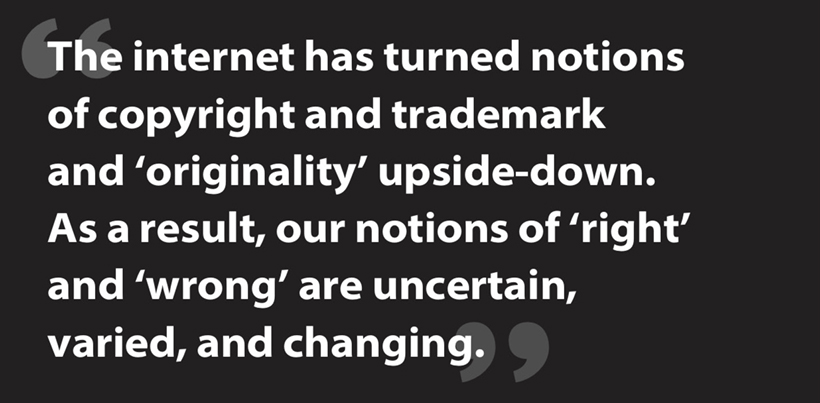
- That the internet has turned notions of copyright and trademark and “originality” upside-down. As a result, our notions of “right” and “wrong” are uncertain, varied, and changing.
- That very few of us are eloquent or confident when it comes to dealing with rip-offs—they happen rarely enough that almost any creative is damned to be an amateur at dealing with them.
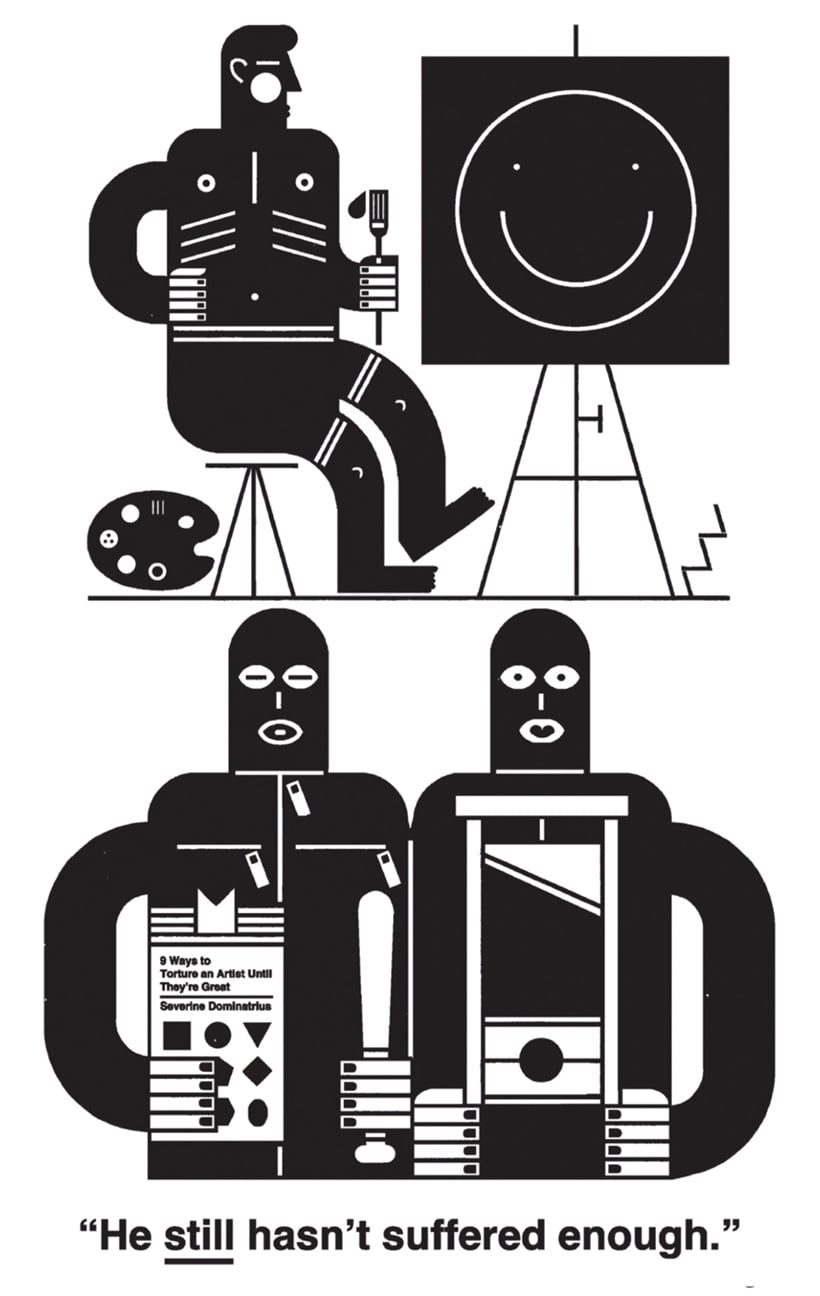
(Raymond Biesinger)
There are other considerations, too. If you’re independently wealthy, a hobbyist, a retiree-turned painter, a hermit, an avant garde messiah, or a trust fund kid, getting ripped off doesn’t matter as much. Those folks can enjoy claiming that “art wants to be free” without consequences. It’s an easy thing to say when your expenses are non-existent or already taken care of.
But actual creative individuals don’t often fit these categories. We might want to support a family, have a stable home, maintain our health, eat reasonably good food, and vacation every once in a while. We probably don’t want to make art while binge-drinking absinthe like Henri de Toulouse-Lautrec, however fun that might sometimes seem. If you’re intent on creating a stable career that will exist for years and years, one has to take these things somewhat seriously.
Raymond Biesinger is a Montreal-based illustrator, artist, and author. His work has been commissioned by advertising agencies and has appeared in many magazines and newspapers, including the New Yorker, the Guardian, and Time magazine. His book, with text by Alex Bozikovic, 305 Lost Buildings of Canada was a national nonfiction bestseller, and he illustrated Vivek Shraya’s novel She of the Mountains. His second book, 9 Times My Work Has Been Ripped Off, is an informal self-defence guide for independent creatives.
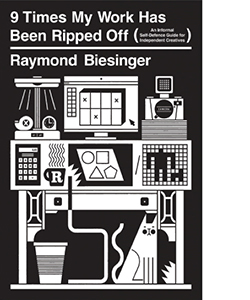 Excerpted from 9 Times My Work Has Been Ripped Off by Raymond Biesinger. Copyright © 2025 by Raymond Biesinger. Published by Drawn & Quarterly. Reproduced by arrangement with the publisher. All rights reserved.
9 Times My Work Has Been Ripped Off published on Oct. 21.




 Contact us via email